
Blog · Septic Inspections
Why a septic inspection belongs in your home purchase, not after closing
Published February 6, 2025 · Updated September 20, 2026 · By the Atteberry Industries crew, Show Low, AZ
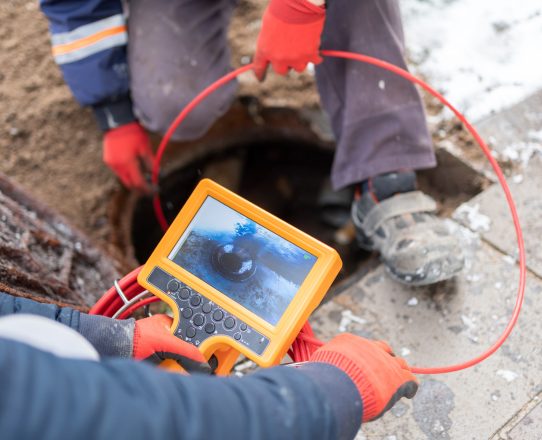
Short answer: A pre-purchase septic inspection tells you the tank's condition, the drainfield's health and whether the system meets Navajo or Apache County transfer-of-ownership requirements before you're legally committed to the property. Skipping it means you could inherit a failing system that costs thousands to replace, with no seller on the hook for it after closing.
Reason 1: many rural sales are close to a system nobody has looked at in years
A lot of older homes across the White Mountains have septic tanks installed decades ago, sometimes before current county records were digitized, and the current owner often can't tell you the last time it was pumped.
An inspection locates the tank and lid, checks scum and sludge levels, and looks at the drainfield for standing water or unusually lush grass — a classic sign of effluent surfacing. None of that is visible from a walkthrough of the house.
Reason 2: Navajo and Apache County often require a transfer inspection anyway
Both counties have processes tied to property transfers on septic systems, and lenders or title companies increasingly ask for documentation before closing.
Handling it proactively, rather than scrambling once it's flagged mid-escrow, keeps your closing timeline intact. Our septic inspections page covers what we check and what paperwork you walk away with.
Reason 3: a failing system is a five-figure repair, not a minor fix
A tank itself is a moderate expense to replace, but a failed drainfield — especially on rocky or clay-heavy ground common around Concho and St. Johns — can run considerably more once excavation and permitting are factored in.
That's a cost worth knowing before you sign, not after. An inspection gives you leverage to negotiate a price adjustment, a seller-funded repair, or to walk away from a property that isn't worth the fix.
What does a pre-purchase septic inspection actually check?
It confirms the tank location, size and material, measures scum and sludge depth, checks baffles and the effluent filter if one exists, and evaluates the drainfield for signs of saturation or failure.
We also check the setback distance from any well on the property, since well-to-septic setbacks are a common issue on older rural parcels that predate current code.
What we see most often on White Mountains pre-purchase inspections
A surprising number of rural properties around Show Low and Snowflake have a tank that's undersized for the current bedroom count after additions were built without updating the system, or a drainfield that's marginal on clay soil but hasn't failed outright yet. Both are the kind of issue a buyer wants to know about and price into an offer, not discover in year two of ownership.
We also regularly find tanks that were never properly located after a previous pumping — sometimes the seller genuinely doesn't know where the lid is, which tells you something about how long it's actually been serviced.
What happens if the inspection turns up a problem
A failed or marginal system doesn't automatically kill a sale — it usually becomes a negotiating point: a price credit, a seller-funded repair before closing, or an agreed escrow holdback to cover the fix. What matters is that you know about it before you're the legal owner responsible for it.
If the issue is significant, like a drainfield that's clearly failed, get a repair estimate alongside the inspection report so you're negotiating from real numbers instead of a vague sense that something's wrong.
Questions people ask us on the phone
How long does a septic inspection take before closing?
Who usually pays for a pre-purchase septic inspection?
What if the seller already had it pumped recently?
Can the inspection be done in winter with snow on the ground?
What does a pre-purchase inspection typically cost?
Does the inspection report help with financing or insurance?
What if I'm buying a cabin that's only been used seasonally?
Related reading: septic inspections · septic pumping · Snowflake
Need this handled instead of read about? See Septic Inspections or call (928) 242-2802.