
Blog · Septic Pumping
The 4 things we pull out of White Mountains septic tanks the most
Published February 6, 2025 · Updated September 20, 2026 · By the Atteberry Industries crew, Show Low, AZ
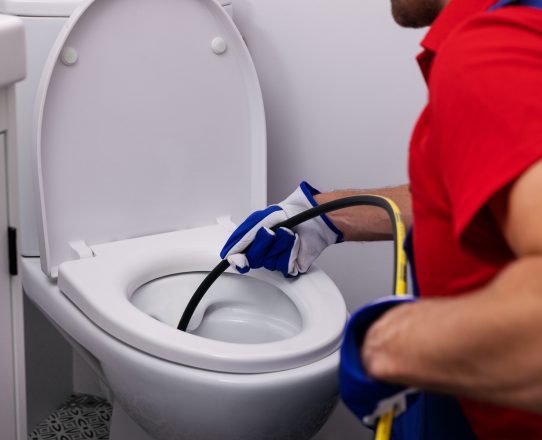
Short answer: Wet wipes, feminine hygiene products, dental floss and cooking grease are the four items most likely to clog a septic system, because none of them break down like toilet paper. They tangle around the outlet baffle, build up in the line, and force an early pump-out or a snaked drain line — often on a weekend when the nearest pumper truck is an hour out.
Why do wet wipes clog septic systems even when labeled "flushable"?
Wipes hold their shape in water long after toilet paper has broken apart, so they snag on the outlet baffle inside the tank and on any root intrusion in the line leading out to the drainfield.
We've pulled wads of them, sometimes mixed with paper towels, out of tanks on properties from Show Low to Snowflake where the previous owner treated the toilet like a trash can. Once a wad forms, it partially blocks flow and raises the water level in the tank faster than normal, which is usually the first sign homeowners notice — slow drains or gurgling.
What happens when feminine hygiene products go down the toilet?
They don't dissolve, so they sit in the tank as solid waste and eventually work into the outlet if the tank is due for pumping.
On older tanks that predate current effluent filter requirements, there's nothing standing between that solid material and the drainfield lines. Once solids reach the drainfield, you're looking at a repair, not a routine pump — see our septic repair page for what that involves.
Does dental floss actually cause septic problems?
Yes — floss is a synthetic strand that doesn't break down, and it wraps around anything moving through the tank or pump, including effluent pump impellers on systems with a lift station.
It's a small item that people don't think twice about, but over years a household can put thousands of strands into a tank. We regularly find floss knotted into thick clumps during a routine cleaning.
Why is grease such a problem for septic tanks?
Grease cools and hardens inside the pipe and tank, coating surfaces and shrinking the effective size of the line the same way it clogs a kitchen sink trap.
It's worse in winter here at 6,000–7,000 feet, because ground and pipe temperatures near the surface drop enough that grease solidifies faster than it would at lower elevations. If you run any kind of food service, our grease trap cleaning page covers how to keep it out of the system entirely.
How do you know if one of these items already caused a clog?
Slow-draining fixtures throughout the house, gurgling in toilets or drains, and sewage odor near the tank lid are the earliest signs — all three at once usually means the blockage is between the tank and the drainfield, not just in the house plumbing.
If you catch it early, a pump-out and a line inspection can clear it. Wait too long and it can push solids into the drainfield, which is a repair job, not maintenance.
A fifth item that surprises a lot of homeowners: cat litter
Even litter labeled "flushable" clumps and swells the same way it's designed to do in a litter box, and that clumping action is exactly wrong for a septic tank — it forms dense masses that don't break down and can settle into the sludge layer as solid, non-organic material that pumping doesn't fully clear.
We see this most in households that assumed a flushable-litter label meant septic-safe. Bag it and put it in the trash instead, regardless of what the packaging claims.
What it costs to fix a clog from these items versus preventing one
As of 2026, typical range for a pump-out and line inspection to clear a developing clog runs a few hundred dollars. If the material has already reached the drainfield, you're looking at excavation and possibly a county permit, which runs considerably higher and takes longer to schedule, especially in winter when frozen ground slows digging.
Keeping these items out of the toilet in the first place costs nothing and is the single cheapest thing a household can do for the system's lifespan.
Questions people ask us on the phone
Is toilet paper the only thing safe to flush?
Can one wipe or one wad of floss really cause a backup?
Will a septic-safe label guarantee it's safe for my tank?
What should I do if I already flushed something I shouldn't have?
Is cat litter really that bad for a septic system?
What should renters or guests at a vacation property be told about flushing?
Related reading: septic pumping · septic repair
Need this handled instead of read about? See Septic Pumping or call (928) 242-2802.