
Blog · Septic Pumping
How bacteria keep a septic tank working — and what kills it off
Published February 6, 2025 · Updated September 20, 2026 · By the Atteberry Industries crew, Show Low, AZ
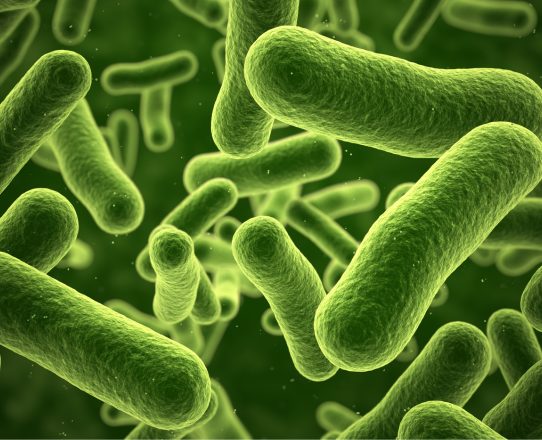
Short answer: A septic tank relies on naturally occurring anaerobic bacteria to break down solids into sludge and liquid effluent. That colony builds itself from normal household waste; it doesn't usually need store-bought additives, but it can be damaged by heavy bleach, antibacterial soap, or antibiotics washed down the drain in large quantities.
What the bacteria in a septic tank actually do
Anaerobic bacteria — the kind that live without oxygen — colonize the tank naturally from waste entering the system and go to work digesting solids into simpler compounds and liquid. This process is what keeps a tank from filling with undigested waste between pumpings; it doesn't replace pumping, but it does the ongoing breakdown that makes pumping intervals of years instead of months possible.
The colony builds itself over the first weeks a system is in use and maintains itself as long as normal household waste keeps flowing through. It doesn't need to be introduced from a bottle for a typical household.
What actually harms the bacteria colony
Large volumes of bleach, drain cleaner, antibacterial soap used constantly, and antibiotics flushed or washed down in quantity can all reduce the bacterial population enough to slow down digestion. Normal household cleaning in reasonable amounts generally isn't enough to wreck a healthy tank, but pouring leftover bleach or chemical cleaners straight down the drain in bulk is a different story.
Garbage disposals add another wrinkle — they push more solid material into the tank than the bacteria can always keep up with, which is part of why homes with a disposal often need shorter pumping intervals.
Do septic additives actually help?
Bacterial or enzyme additives can give a struggling tank a boost after something has knocked the colony down — a long vacancy, a round of heavy cleaning chemicals, or a new system that hasn't built up its colony yet. For a normally functioning tank getting regular use and pumping, most systems don't need them to function.
Additives are also not a substitute for pumping. No product breaks down the inorganic solids and inert material that accumulate as sludge; only physically removing them does that.
How seasonal vacancy affects the bacteria colony
Cabins and vacation rentals that sit empty for weeks or months, especially through the winter at 6,000-7,000 feet, can see their bacterial colony shrink from lack of ongoing waste input. When the property gets used again — say, over a holiday week — the tank may take a few days to ramp back up to full digestion capacity, which is one more reason seasonal properties benefit from more frequent monitoring than a full-time home.
Signs the bacterial balance in your tank is off
Slower-than-usual drainage, more frequent odor, or a tank that seems to fill faster than it used to despite normal use can all point to a bacteria colony that's struggling to keep up. Since these overlap with signs the tank simply needs pumping, the safest move is to get it checked rather than guess.
How new systems and freshly pumped tanks build their colony back up
A brand-new septic system or a tank that's just been pumped clean starts with essentially no bacterial population, and it builds one naturally from the first waste that enters it. That ramp-up usually takes a few weeks of normal use, during which the tank is working harder to catch up on digestion than it will once the colony is established.
This is normal and not something to treat with an additive by default — a household using the system normally will build a healthy colony on its own. It's worth knowing about mainly so you're not alarmed by slightly slower performance right after a pump-out.
What we tell customers who ask about septic-safe cleaning products
Regular household cleaning — dish soap, laundry detergent, occasional bathroom cleaner — isn't going to meaningfully harm a healthy bacterial colony in normal quantities. The concern is habitual heavy use of bleach or antibacterial products poured directly down the drain in bulk, or a one-time large dump of leftover chemicals, paint thinner or similar solvents.
If you're renovating or doing a deep clean that involves a lot of chemical product, route it to the trash or a hazardous waste facility instead of the drain, and give the tank a break from heavy cleaning chemicals for a few days afterward if you can.
Questions people ask us on the phone
Do I need to add bacteria to my septic tank regularly?
Does bleach kill septic tank bacteria?
Can additives replace regular pumping?
Why does my cabin's septic system smell after being closed up all winter?
How long does it take a new tank to build a working bacterial colony?
Do antibiotics I take affect my septic tank's bacteria?
Related reading: Septic Pumping · Septic Tank Cleaning · Septic Inspections · Linden
Need this handled instead of read about? See Septic Pumping or call (928) 242-2802.