
Blog · Septic Pumping
Keeping a Show Low septic system from backing up on you
Published February 6, 2025 · Updated September 20, 2026 · By the Atteberry Industries crew, Show Low, AZ
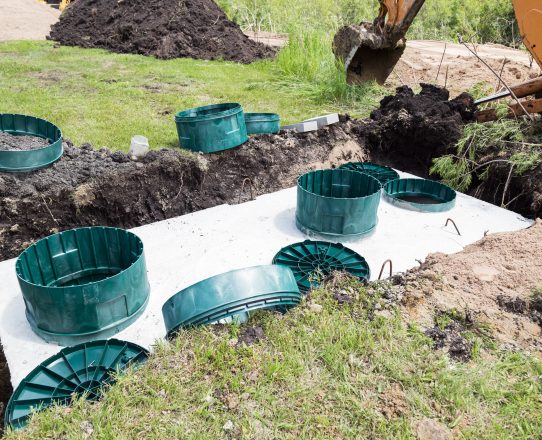
Short answer: Preventing a septic backup in a Show Low home comes down to pumping on a 3-to-5-year schedule, keeping grease and non-flushables out of the system, and being mindful of water use spikes from guests or laundry days. Winter freeze and monsoon runoff both add extra strain that a well-maintained system handles better than a neglected one.
Why Show Low homes are prone to backups at certain times of year
At 6,300 feet, Show Low gets real winter — frozen ground from December through March can make an already-marginal drainfield less able to absorb water, and monsoon downpours from July through September saturate the soil the same way. Both seasons stress a system that's already close to its limit, which is why backups tend to cluster around those windows rather than happening evenly year-round.
Get on a real pumping schedule
The single biggest thing a homeowner can do is pump before the tank is full rather than after a backup starts. Most households do well every 3-5 years, but homes with more people, a garbage disposal, or higher-than-average water use should check sooner. If you don't know when your tank was last pumped, that's the first thing to find out.
Watch what goes down the drains
Grease, wipes, feminine hygiene products, and large volumes of food scraps from a garbage disposal all add solid material the tank has to process, and grease in particular can harden in the outlet line. None of these single-use mistakes causes an immediate backup, but they add up over months and shorten the time between pumpings you actually need.
Manage water use, especially with guests or holiday crowds
A house that normally supports 2-3 people can get overwhelmed fast when 10 relatives show up for a holiday weekend and all run showers and laundry back to back. Spacing out big water draws — running one load of laundry at a time, staggering showers — gives the tank time to settle solids instead of pushing them straight through to the drainfield.
Protect the drainfield year-round
Keep vehicles, sheds, and anything heavy off the drainfield, and avoid planting trees or deep-rooted shrubs near the lines, since roots seek out the moisture and can crack pipe. In winter, mark the tank lid location before snow covers it, so an emergency call doesn't turn into an hour of digging through drifts before anyone can reach the lid.
Know the early warning signs
Slow drains, gurgling pipes, and a sewage smell near the tank or in the yard are the system telling you it's close to backing up. Catching these early and calling for a pump-out or inspection almost always costs less than waiting for the backup itself.
- Multiple slow drains at once
- Gurgling when the washer or dishwasher runs
- Sewage odor near the tank or drainfield
- Soggy ground over the leach field in dry weather
What we find on Show Low backup calls most often
On most emergency calls inside Show Low city limits, we find one of three things: a tank that's simply overdue and full to the outlet baffle, roots from a nearby tree that have worked into the line, or a drainfield that's been quietly failing for a year or more and finally reached its limit during a heavy-use week. The first is a straightforward pump-out; the second usually needs a camera inspection and root treatment; the third is a repair conversation.
Homes on older lots near downtown Show Low, where systems were installed decades ago under different code, see the drainfield-failure scenario more than newer construction on the edges of town.
What to do the moment you notice a backup starting
Stop running water in the house right away — no laundry, no dishwasher, no extra showers — since every gallon you add pushes the system closer to backing up into the house instead of just being slow. Call for service and describe what you're seeing; that helps us bring the right equipment on the first trip instead of a second one.
Questions people ask us on the phone
Why do septic backups seem to happen more in winter?
What should I do if my septic already backed up?
How can I find my tank lid under snow in an emergency?
Does having a lot of houseguests increase backup risk?
Is a backup always caused by a full tank?
How quickly can you respond to a backup in Show Low?
Related reading: Emergency Septic Service · Septic Pumping · Septic Repair · Show Low
Need this handled instead of read about? See Septic Pumping or call (928) 242-2802.